
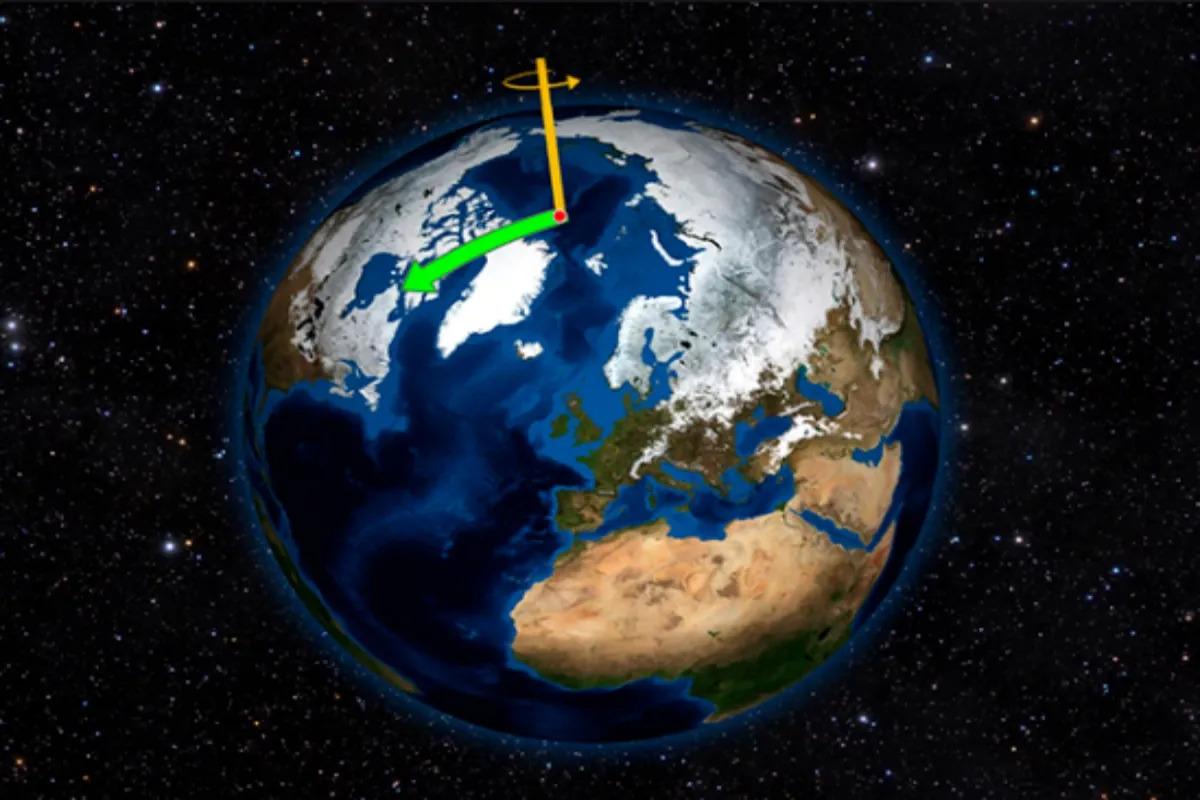
Ekaterina Borodina, a researcher specializing in the study of geophysical processes, explained in a commentary for RuNews24.ru that the pole shift is a purely hypothetical event, but with potentially catastrophic consequences for our world.
What is Pole Shift?
A pole shift is an event in which the Earth's geographic poles, and thus its axis of rotation, change their position relative to the Earth's crust in a relatively short period of time. It is important not to confuse this process with precession or continental drift, which occur slowly and do not lead to global natural disasters.
Possible Causes of Pole Shift
There are various hypotheses that explain what exactly can cause such a shift:
1. Movement of lithospheric plates. The constant movement of these huge blocks of the Earth's crust can, under certain conditions, change the shape of the Earth and affect the position of the poles.
2- Changes in the planet's magnetic field. Our magnetic field plays a key role in protecting us from cosmic radiation. Any changes in this field can also affect the pole position.
3. Fall of an asteroid or comet. A large space body that collides with the Earth can cause significant changes in its mass and shape, leading to a shift in the poles.
4. tectonic activity. Volcanic eruptions and earthquakes change the distribution of mass on the planet, which can affect the position of the poles.
5. Climate change. Melting glaciers and changes in mass distribution due to global warming may also be factors in the shift.
Potential Consequences of a Pole Shift
If it occurs, a pole shift could have multifaceted consequences:
1. Climate change. Pole shifts could dramatically alter ocean currents and weather systems, causing sea level rise and climate change on a global scale.
2. Infrastructure destruction. Earthquakes, tsunamis, and other natural disasters caused by pole shifts can severely damage infrastructure and cause significant loss of life.
3. magnetic field changes. A weakening or even disappearance of the Earth's protective magnetic field would increase the risk of exposure to solar and cosmic radiation.
Pole shift remains a controversial topic in the scientific community. While the likelihood of such an event is difficult to assess, understanding and preparing for potential threats could be critical. Research is ongoing, and until scientists reach a consensus, the public needs to be aware of the possible risks.