
Yulia Shaikhrazeeva, a lecturer at the Plekhanov Russian Economic University, told RuNews24.ru about the current challenges facing the Russian economy.
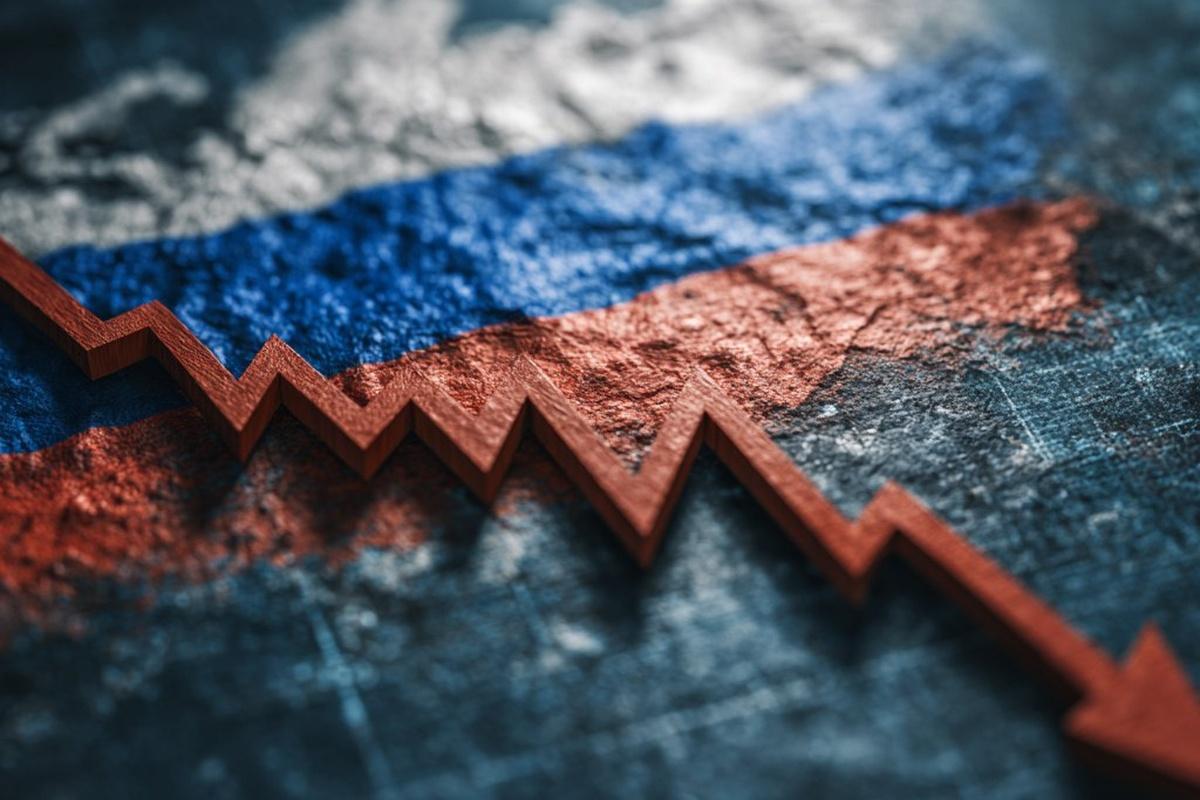
According to Bloomberg Economics, in the first quarter of 2025, Russia's GDP could decline by 0.6-0.8% compared to the previous quarter, which could be the first signal of a technical recession - a situation when real GDP declines for two or more quarters in a row. This could lead to stagnation of production, rising unemployment and a decline in real incomes.
Russia's Central Bank earlier cut its key rate from 21% to 20%, but experts say record high interest rates continue to deter investment activity. Businesses expect the authorities to lower the key rate to 12-14%. This proposal, according to Sberbank's estimates, could be a significant stimulus for investment and consumer lending. However, inflation risks remain a high deterrent for the economy.
“Lowering the key rate could indeed improve conditions for business, but it is necessary to closely monitor inflation risks, which could exacerbate the situation.”
In parallel to the discussion of a key rate change, there is talk of introducing additional fiscal support measures such as subsidies for industries, infrastructure projects and compensation to regions. These measures could help reduce the negative impact of the recession on the economy.
"Following the withdrawal of foreign automakers, car production in 2022 declined by 60%, and in May 2022 passenger car production fell 97% compared to May 2021. Despite a partial recovery in 2023, the current ruble exchange rate and the shortage of imported components continue to limit the sector's development," Shaikhrazeyeva said.
In 2024, 170.8 million m² of housing was commissioned in Russia, 7.6% more than a year earlier. However, with the recession and decreasing purchasing power, demand for housing is falling, which puts the launch of new projects in question.
According to Rosstat, industrial production grew by 4.6% in 2024. However, companies are recording rising costs and slowing domestic demand, especially in the heavy machinery sector, which is holding back investment.
The agricultural sector has shown resilience, but with lower domestic demand, there may be a reduction in purchases of machinery and fertilizers. This, in turn, may affect exports, especially if logistics costs rise.
Passenger traffic is down 14% in 2024, with international flights down 25%. Airlines may face additional challenges in a recession: lower domestic demand and higher equipment leasing costs.
Russia's economy is facing serious challenges, and the opinions of experts such as Yulia Shaikhrazeyeva emphasize the importance of a comprehensive approach to solving the current problems. This includes both changes in monetary policy and the introduction of adequate fiscal support measures. Undoubtedly, the future of the economy depends not only on the actions of the authorities, but also on the ability of business to adapt to changing conditions.