
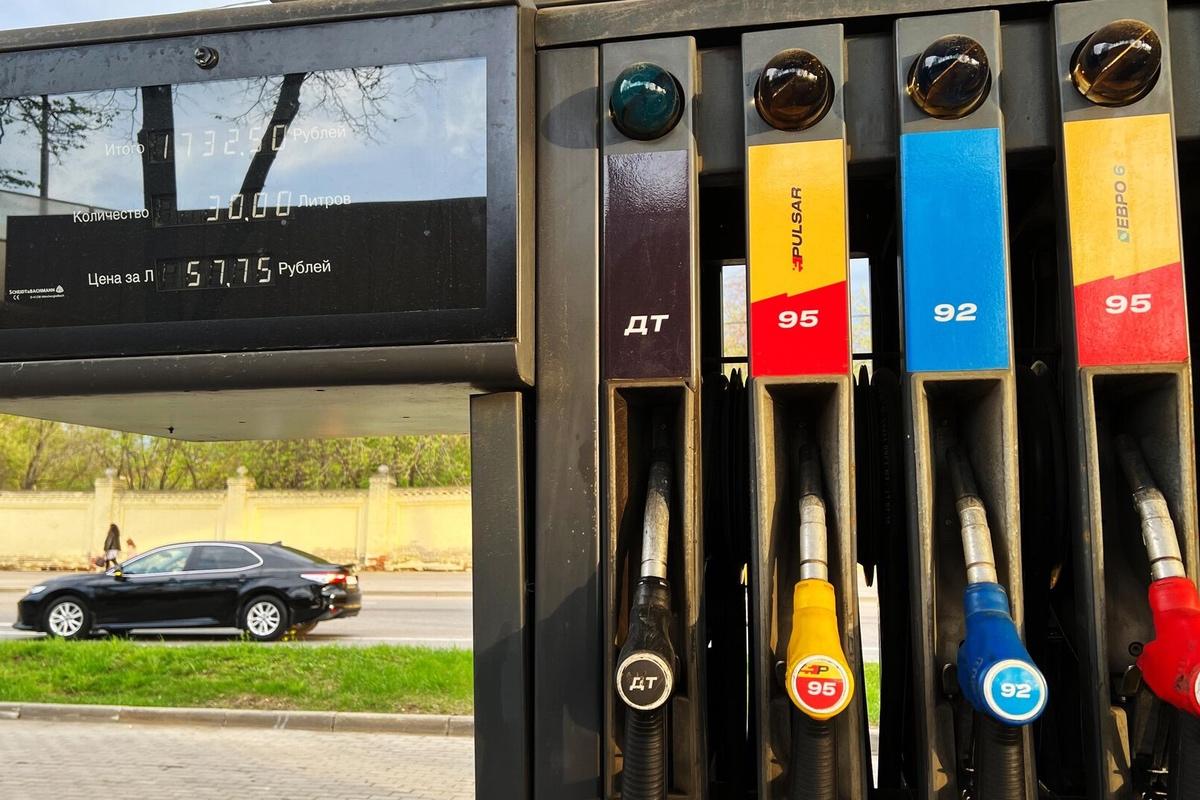
This situation is the result of the government's policy of keeping fuel prices at a level affordable for the majority of the population and businesses. Despite external price increases, Russians continue to pay significantly less for gasoline than in most other G20 countries, making the country one of the leaders in fuel affordability. Experts note that low prices help stimulate economic activity, investment and the development of transportation infrastructure. At the same time, analysts warn of the need to control price dynamics and develop alternative energy sources to ensure long-term stability. Such measures help maintain the competitiveness of the domestic market and preserve socio-economic stability in the face of global changes in the energy sector.
With the dynamic changes in the global energy market, there is still high volatility in gasoline and fuel prices. For example, it has recently become known that AI-100 gasoline has turned into a unique premium commodity, as its cost has increased to the level of luxury goods due to significant price fluctuations. At the same time, experts note that lower oil prices are not necessarily expected to result in a proportional decrease in the cost of fuel for consumers. Many analysts believe that market conditions and domestic economic factors allow prices to remain relatively stable or even rise despite positive trends in the global oil market.